
How to Choose the Right Fabric for Sports Uniforms
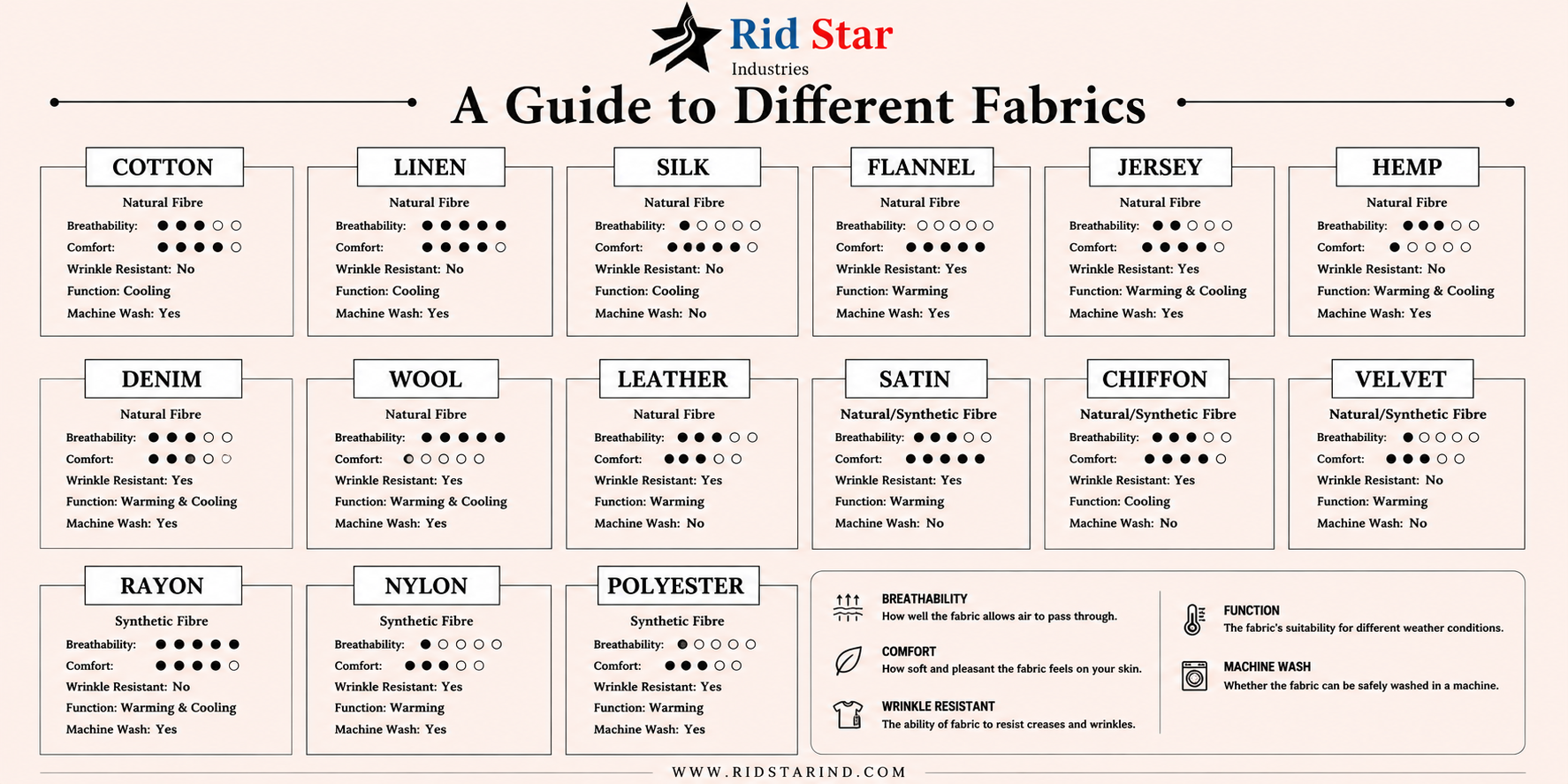
Choosing the right fabric for sports uniforms starts with how the garments will be used. A soccer jersey worn in hot weather, a basketball kit and a rugby uniform face different demands. For clubs, schools and sports brands placing an order, the fabric brief should cover comfort, durability, fit and compatibility with the intended printing or embroidery.
This guide explains how to compare fabric composition, construction and weight, including GSM—grams per square metre. It also covers the questions to ask your manufacturer and what to check in a sample before approving bulk production, so your decision goes beyond a fabric name or price per uniform.
Start with the Sport and Playing Conditions
Before comparing fabric options, tell your manufacturer who will wear the uniform, where it will be used and what it needs to withstand. Include the sport, age group, season, preferred fit and whether the order is for matches, training or both.
Use these practical priorities when preparing your brief:
- For custom soccer uniforms and custom basketball uniforms, consider ventilation, freedom of movement and comfort during sustained activity. Check whether light colours provide enough coverage when the fabric is stretched or damp.
- Rugby and American football: discuss contact, pulling and abrasion. Assess the fabric alongside seam construction and reinforcement. For garments worn over pads, check the sample with the intended equipment.
- Baseball: assess jerseys and trousers separately. A jersey’s comfort requirements differ from the wear that trousers experience during sliding and repeated contact with the ground.
- Ice hockey: check jersey fit over protective equipment, freedom of movement and resistance to snagging.
Also explain how frequently the uniforms will be worn and washed. Give your supplier this information before requesting fabric recommendations, then assess the proposed material in a finished sample.
Compare Fabric Composition, Not Just Fabric Names
Ask your manufacturer for the fibre composition and percentages of each proposed fabric. A description such as “performance fabric” does not tell you enough to compare quotations or approve production.
Polyester
Polyester is widely used for sports jerseys and team kits. However, two fabrics labelled “100% polyester” can feel and perform differently because of their yarns, construction, weight and finishing.
Ask for a sample of the exact material being quoted. Check its feel, coverage and comfort, and request supporting information for claims such as moisture wicking or quick drying.
Polyester–Elastane Blends
Elastane, also called spandex, adds stretch and helps fabric recover its shape. It can be useful for fitted garments and areas that need greater freedom of movement.
Ask how the material stretches in both directions and how well it returns to its original shape. A higher elastane percentage alone does not establish whether a fabric is suitable for your uniform; assess the finished garment’s fit and movement too.
Cotton and Cotton Blends
Cotton and cotton blends are options to discuss for team T-shirts, polos, hoodies and off-field apparel. For garments used during exercise, assess moisture handling and drying performance rather than choosing by softness alone.
Finishing treatments can change how cotton fabric manages moisture. Ask which properties belong to the quoted material and whether they are maintained after repeated washing.
Record the approved fabric composition and supplier fabric reference in your order specification. Keep an approved swatch so the production material can be compared against it.
Understand Fabric Construction and GSM
Fabric composition tells you which fibres are used. Construction describes how those fibres are made into fabric, while GSM tells you its weight per unit area. Check all three when comparing supplier quotations.
Mesh, Single Jersey and Interlock
Names such as mesh, single jersey and interlock describe fabric structures, not fibre content. A mesh fabric, for example, may be made from polyester.
Mesh has an open structure that can be useful for ventilation panels. Check the size of the openings, coverage and resistance to snagging before approving it.
Single jersey is a common knit construction used in T-shirts and other apparel. Interlock is a double-knit construction. Compare physical samples to judge which gives your garment the required feel, coverage and shape.
Ask your manufacturer to identify the construction of each proposed fabric. Descriptions such as “sports mesh” can refer to different materials across suppliers.
What Does GSM Mean?
GSM stands for grams per square metre. A fabric specified at 160 GSM weighs 160 grams per square metre; this is not the weight of the finished jersey.
A higher GSM means more weight for the same fabric area. It does not automatically mean better quality, greater strength or less breathability. Fibre type, yarn, construction and finishing also affect performance.
For your order:
- Compare GSM alongside composition and construction.
- Assess the sample for coverage, movement and comfort.
- Specify the agreed finished-fabric GSM and an acceptable tolerance with your manufacturer.
- Confirm whether the main body, ventilation panels and shorts use different materials.
There is no single correct GSM for every sports uniform. Choose it against the garment’s intended use and an approved sample rather than selecting the highest number available.
Match the Fabric to Your Printing or Embroidery
Share your artwork before approving the fabric. Logos, player numbers, large printed areas and embroidered badges can affect which material and decoration process are suitable.
Full Sublimation
For full sublimation, white polyester fabric is a common starting point. The design supplies the garment’s colours during printing. Confirm that the exact fabric—including any stretch blend—is suitable for the production process.
Request a printed sample to check colour, fine details and appearance when stretched. A design approved on a screen does not establish how it will look on the selected fabric.
Screen Printing and Heat Transfer
Ask your manufacturer to match the ink or transfer material to the fabric, its finish and its stretch requirements. Check the decorated sample for adhesion, flexibility and appearance after washing.
On some polyester fabrics, colour can migrate into the decoration and discolour it. Ask how the chosen process addresses this risk, particularly for light-coloured logos or numbers on dark fabric.
Embroidery
Embroidery needs suitable backing, stitch density and placement for the selected material. Lightweight or stretchy fabrics require particular attention to avoid puckering and distortion.
Check the logo on the actual fabric at the intended size. Inspect both sides for a smooth finish, comfortable backing and any pulling around the stitches.
Approve the fabric and decoration together before bulk production. Keep that decorated sample as the reference for your order.
Check a Finished Sample Before Bulk Production
A fabric swatch helps you compare materials, but a finished sample shows how the fabric works with the garment’s cut, seams and decoration. Ask for a sample made with the proposed production fabric, and have the manufacturer identify any differences from the final order.
Use this checklist when reviewing it:
- Fit and movement: try the sample on someone who represents the intended wearer. Check reaching, bending and movement, including fit over protective equipment where relevant.
- Coverage: inspect light-coloured areas in good lighting and while the fabric is stretched during normal movement.
- Seams and comfort: check for skipped stitches, loose threads, rough edges and uncomfortable bulk around underarms, necklines and other contact areas.
- Shape and measurements: record key garment measurements before washing. Wash and dry according to the proposed care instructions, then compare measurements and appearance.
- Colour and decoration: look for visible colour changes, staining, peeling, cracking or puckering after washing.
- Surface condition: check for visible snagging, fuzzing or pilling during sample wear and laundering.
Record how the sample was checked, including the wash method and number of washes. A short wear trial can reveal problems, but it does not prove long-term durability or verify technical performance claims. Where your order requires specific performance, agree on the test method and acceptance criteria with your supplier.
Confirm any corrections in writing before approving bulk production. Keep the approved sample, fabric reference, measurement chart and decoration details together so both sides have a clear production standard.
Prepare a Clear Fabric Brief for Your Manufacturer
You do not need to know the exact fabric before requesting a quotation. Start with the requirements you can confirm, and ask your manufacturer to explain the proposed options.
Include:
- The sport, garment type and whether it is for matches, training or off-field use.
- Order quantity, size breakdown and preferred fit.
- Playing conditions and expected washing frequency.
- Fabric preferences, target GSM or a reference sample, if available.
- Artwork, team colours, logo placement and player personalisation.
- Label, packaging and delivery requirements.
- Any performance tests or buyer standards the order must meet.
Ask each supplier to quote against the same brief and identify any alternatives clearly. This makes it easier to understand whether a price difference comes from the fabric, construction, decoration or another part of the order.
Discuss Your Custom Sports Uniform Order
Rid Star Industries is a custom sportswear and apparel manufacturer based in Sialkot, Pakistan, serving sports clubs, brands, schools, wholesalers and distributors. Our minimum order quantity is 10 pieces or sets, depending on the product.
Share your sport, quantity, fabric preferences and artwork through our quote builder. If you are unsure which material to choose, describe how the uniforms will be used so our team can discuss suitable options before you approve a sample.